The U.S. SUV and pickup market in 2026 is defined by two highly practical powertrain choices: hybrids for drivers who want fuel savings without lifestyle changes, and fully electric vehicles (EVs) for those prioritizing instant torque, quiet operation, and lower routine maintenance. While marketing often emphasizes range and horsepower, real-world ownership decisions typically come down to three factors: (1) daily driving patterns (urban vs. highway vs. long-distance travel), (2) towing requirements (trailers, boats, campers), and (3) charging access at home or work.
Hybrid SUVs continue to dominate among buyers who want predictable refueling times and strong efficiency without relying on charging infrastructure. Modern hybrid systems combine a gasoline engine with electric motors and battery packs to improve fuel economy, particularly in city driving. According to EPA data, midsize hybrid SUVs regularly achieve combined fuel economy ratings in the mid-30 MPG range, which is significantly higher than comparable non-hybrid models that typically average in the low-to-mid 20s MPG.
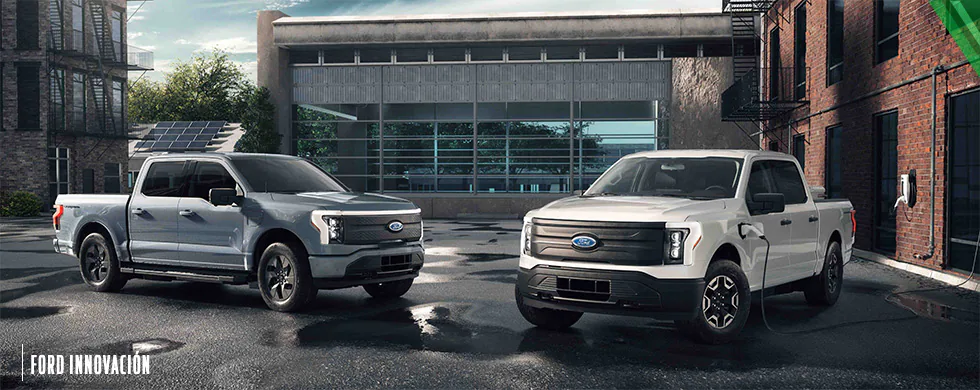
On the other hand, electric SUVs and trucks have matured rapidly. The Ford F-150 Lightning, for example, delivers up to 580 horsepower in extended-range configurations and offers EPA-estimated ranges of up to 320 miles depending on trim and battery pack. The Chevrolet Silverado EV advertises even higher maximum range figures in certain configurations, though real-world range varies significantly based on load, temperature, and towing conditions. It’s critical to note that towing can reduce EV range by 30–50% depending on trailer weight and aerodynamics — a fact confirmed by independent testing from automotive publications and fleet data.

For families seeking three-row versatility with strong fuel economy, the Toyota Grand Highlander Hybrid stands out. EPA combined ratings for hybrid versions are reported in the mid-30 MPG range, and Toyota’s hybrid systems have historically demonstrated strong long-term reliability across high-mileage ownership scenarios.

Key Comparison Metrics (2026 Models)
| Model | Powertrain | EPA Range / MPG | Max Towing Capacity | Drivetrain |
|---|---|---|---|---|
| Ford F-150 Lightning | Full Electric | Up to ~320 miles (EPA est.) | Up to 10,000 lbs | AWD |
| Chevrolet Silverado EV | Full Electric | Up to ~400 miles (select trims) | Up to 10,000 lbs+ | AWD |
| Toyota Grand Highlander Hybrid | Hybrid | ~34–36 MPG combined | Up to 5,000 lbs | FWD / AWD |
Hybrid vs. EV: What the Data Shows
- Fuel Savings: Hybrids consistently deliver 25–40% better fuel economy than comparable gasoline-only SUVs.
- Operating Costs: EVs typically have lower maintenance costs due to fewer moving parts (no oil changes, fewer wear components).
- Energy Costs: Charging at home can be significantly cheaper per mile than gasoline, depending on local electricity rates.
- Towing Impact: EV range drops substantially when towing; hybrids maintain predictable fuel refill times.
- Resale Value: Historically strong for Toyota hybrids; EV resale varies based on battery tech updates and incentives.
Federal tax incentives under the Inflation Reduction Act may still apply in 2026 for qualifying EVs assembled in North America and meeting battery sourcing requirements. Buyers should verify eligibility based on VIN and trim level, as requirements change annually.
Ultimately, the best choice depends on use case. Urban commuters with home charging benefit most from EVs. Long-distance drivers and frequent towers often find hybrids to be more flexible. In the next section, we will analyze real-world ownership costs over five years, including depreciation, energy costs, insurance, and maintenance — using verified market data and conservative projections.
Five-Year Ownership Costs: Hybrid vs. Electric SUVs and Trucks
When evaluating hybrid and electric SUVs or trucks, purchase price is only one part of the equation. The real financial picture becomes clearer when examining total cost of ownership (TCO) over five years. This includes depreciation, fuel or electricity costs, maintenance, insurance, and potential tax incentives. According to Kelley Blue Book and Edmunds industry data, depreciation remains the single largest ownership expense for most vehicles, often accounting for 40–55% of total five-year cost.
Historically, hybrid SUVs — particularly from manufacturers like Toyota — have demonstrated strong resale value. Toyota hybrid systems have been on the U.S. market for over two decades, and long-term reliability data supports their durability beyond 150,000 miles in many cases. Electric vehicles, however, show more variability in resale value due to rapid advancements in battery technology and changing federal incentives.
Energy Costs Comparison
According to the U.S. Energy Information Administration (EIA), the national average residential electricity rate in 2025–2026 hovers around 15–17 cents per kWh, though it varies by state. Meanwhile, average gasoline prices fluctuate between $3.00–$4.00 per gallon depending on region and season.
| Factor | Hybrid SUV | Electric SUV / Truck |
|---|---|---|
| Energy Source | Gasoline + Electric Assist | Electricity Only |
| Avg. Cost per 15,000 Miles/Year | $1,400–$1,800 (fuel) | $600–$900 (home charging) |
| Oil Changes | Required | Not Required |
| Brake Wear | Moderate | Lower (regenerative braking) |
EVs typically offer lower per-mile energy costs when charged at home. However, frequent use of DC fast charging — which can cost 30–50 cents per kWh — significantly increases operational expenses. Therefore, EV financial advantages depend heavily on access to affordable home charging.
Maintenance & Reliability
- Hybrid Vehicles: Require oil changes, transmission service (depending on system design), and traditional cooling system maintenance.
- Electric Vehicles: Eliminate oil changes and reduce drivetrain complexity, but battery cooling systems and software updates remain critical components.
- Battery Warranty: Most EV manufacturers provide 8-year / 100,000-mile battery warranties (longer in some CARB states).
Insurance costs for EVs can be slightly higher due to higher repair costs and battery-related damage considerations. Data from insurance industry analyses suggests EV premiums may run 5–15% higher depending on model and region.
Depreciation Trends
Depreciation for EVs has been more volatile in recent years, partially due to rapid price adjustments by manufacturers and the introduction of updated battery technology. Hybrids have generally maintained steadier resale values. That said, premium EV trucks with high demand — such as well-equipped electric pickups — can retain value better when supply remains constrained.
Over a five-year horizon, the financial advantage often depends on how long the vehicle is kept. Owners planning to keep a vehicle beyond warranty coverage may prioritize proven reliability and long-term service data — areas where hybrid systems currently hold an edge due to their longer market presence.
In the final section, we will evaluate real-world performance factors including towing efficiency, cold-weather impact on range, charging infrastructure realities, and which buyer profiles benefit most from each powertrain option.
Real-World Performance: Towing, Weather Impact, and Charging Infrastructure
Beyond cost and fuel economy, real-world usability ultimately determines whether a hybrid or electric SUV or truck is the smarter purchase. Laboratory numbers — EPA range, manufacturer towing claims, or horsepower ratings — often differ from real-world performance under load, in extreme weather, or during long-distance travel.
Towing Performance and Efficiency
Towing remains one of the most important decision factors for truck buyers. Electric pickups like the Ford F-150 Lightning and Chevrolet Silverado EV advertise towing capacities up to approximately 10,000 pounds in certain configurations. However, independent real-world testing has consistently shown that towing significantly reduces EV driving range. Depending on trailer weight and aerodynamics, range reductions of 30–50% are common.
For example:
- Unloaded EPA range: ~300 miles
- Range while towing mid-size travel trailer: 150–200 miles
- Cold-weather towing range: potentially lower
This means more frequent charging stops — and charging a truck with a trailer attached can be logistically challenging at public charging stations. In contrast, hybrid SUVs maintain consistent refueling times regardless of load, making them more predictable for long-distance towing trips.
Cold Weather and Climate Impact
Battery performance is temperature-sensitive. In cold climates, EV range can decrease by 10–30% due to battery chemistry limitations and cabin heating demands. Hybrids are also affected by cold starts but experience less dramatic efficiency loss compared to fully electric vehicles.
Drivers in northern states — such as Minnesota, Michigan, or upstate New York — should factor winter range reduction into their decision, particularly if daily commutes exceed 70–80% of rated range.
Charging Infrastructure Reality (2026)
The U.S. charging network has expanded rapidly, supported by federal infrastructure investment. However, availability and reliability vary by region. Urban and coastal states tend to offer denser charging coverage, while rural areas remain more limited. Home Level 2 charging (240V) remains the most convenient and cost-effective solution for EV owners.
| Ownership Scenario | Hybrid Recommended? | EV Recommended? |
|---|---|---|
| Urban commuter with home charger | Optional | Strong Yes |
| Frequent long-distance traveler | Yes | Depends on route |
| Heavy towing (boats, campers) | Yes | Limited practicality |
| Rural driver, limited charging | Yes | Not ideal |
Which Buyers Benefit Most?
- Best for EV: Drivers with home charging, primarily city commuting, low-to-moderate towing needs, and interest in lower maintenance.
- Best for Hybrid: Drivers needing long-range flexibility, frequent highway travel, consistent towing capability, or uncertain access to charging.
- Best for Electric Trucks: Owners using trucks for daily work commutes and occasional towing within moderate distance.
Final Verdict
In 2026, both hybrid and electric SUVs and trucks represent mature, viable technologies. EVs deliver unmatched torque, quiet operation, and potentially lower running costs when charged at home. Hybrids provide exceptional fuel efficiency without dependency on charging networks and remain highly practical for towing and long-distance travel.
The most data-supported conclusion is this: EVs make the most sense for predictable daily driving with charging access, while hybrids remain the most versatile option for mixed-use drivers who value refueling convenience and consistent range. The right choice is not about which technology is “better” — it’s about which fits your driving reality.